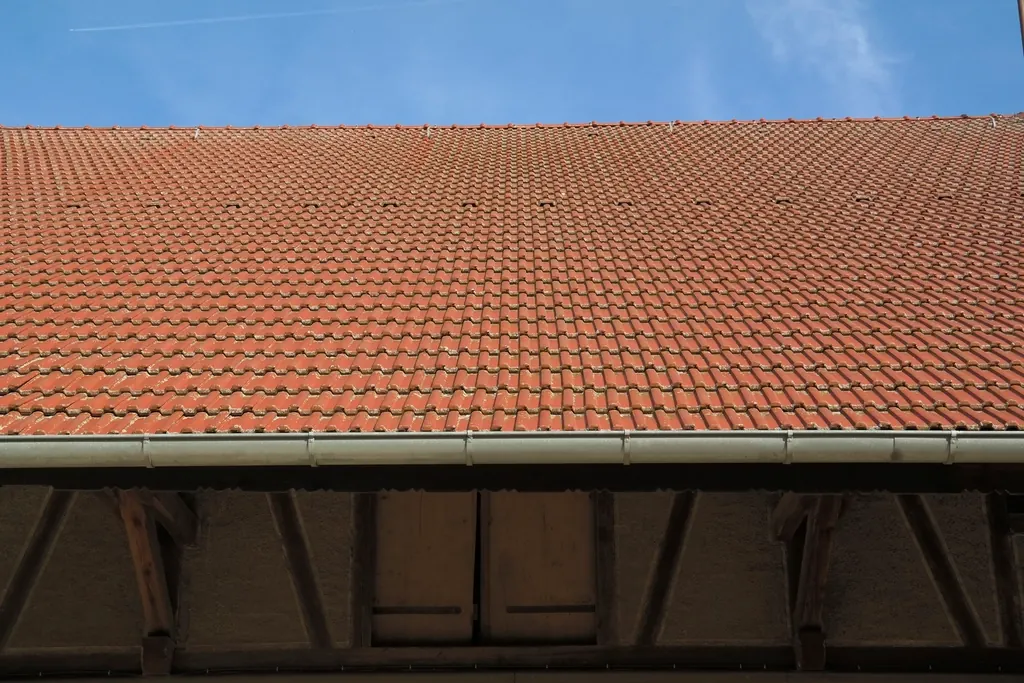
Concrete tile covers a large share of the homes built in the Las Vegas Valley since the 1980s. It handles heat well and can last decades. But tile roof claims are among the most disputed we see, for reasons that have little to do with the tile itself.
The tile isn’t the waterproofing
On most tile roofs, the underlayment beneath the tile keeps water out. Tile sheds most water and protects the underlayment from sun. After 15 or 20 Southern Nevada summers, older felt underlayment can be brittle and torn. When wind or hail damages tile, the repair often exposes underlayment that can’t be patched cleanly.
Breakage multiplies
To replace one broken tile, roofers often lift surrounding courses. Old tile cracks when it is walked on and handled. A repair estimated at 40 tiles can turn into 120. Estimates that price only the visibly broken pieces usually come up short.
Discontinued profiles and colors
Many tile profiles and colors from the 1990s and 2000s are no longer made. Salvaged tile may be available; sometimes it isn’t. When replacement tile doesn’t reasonably match, the scope can grow to a full slope or full roof, depending on your policy wording and the facts.
What to document
- Count broken, cracked and displaced tiles by slope.
- Photograph underlayment wherever tile is missing.
- Note tile manufacturer and profile markings if visible.
- Get a roofer’s written opinion on repairability.
- Record pitch, stories and access issues.
Our roof squares & tile calculator shows what share of the roof your broken tiles represent.
Wear vs. storm damage
Insurers often attribute breakage to foot traffic or age. Fresh fractures, impact marks, the pattern of displacement and recent weather data help show cause. That scope question is a good fit for appraisal.