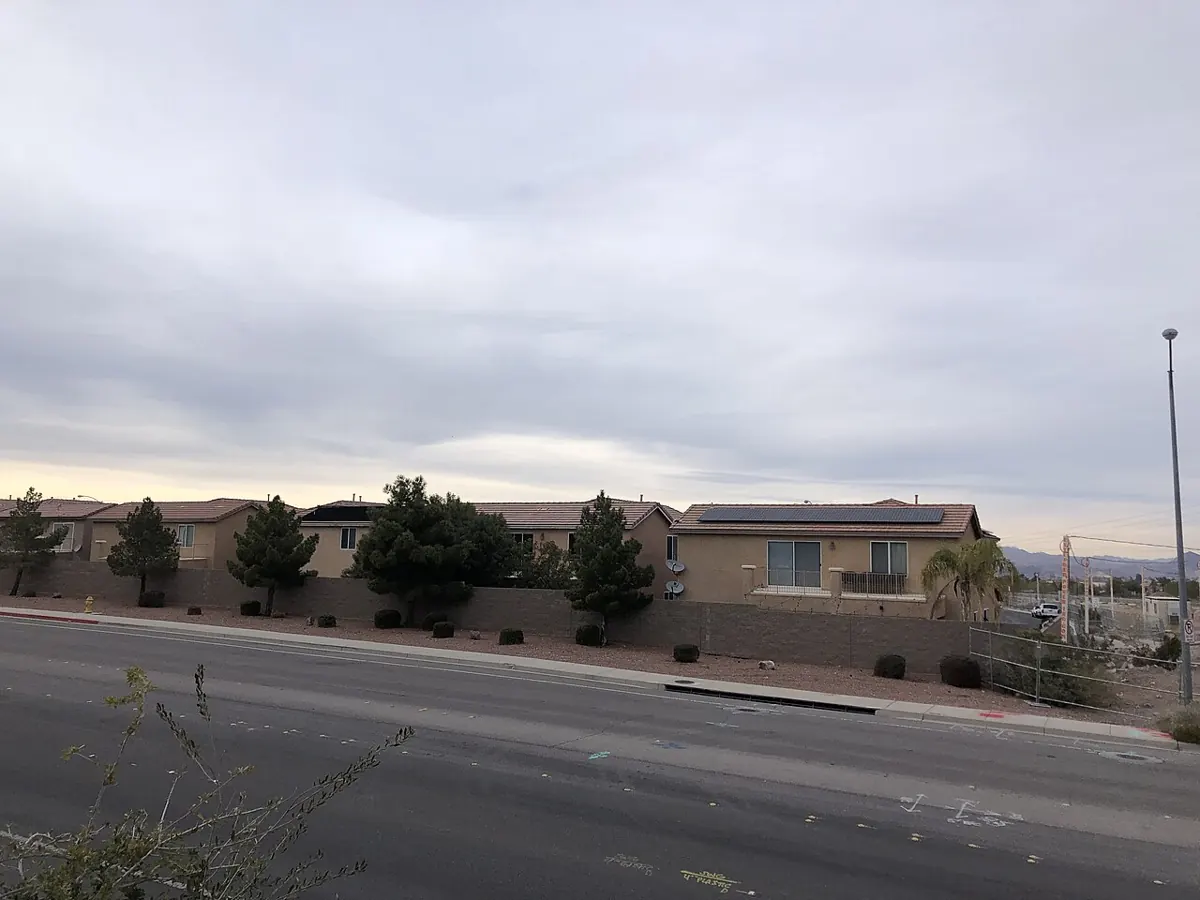
What we see in Nevada homeowner disputes
A typical underpaid homeowner claim in Nevada is not a denial. The insurer agrees something happened and pays part of it. The disagreement is about how much of the house was affected and what the repair really involves. A few patterns come up again and again:
- Stucco patching that can’t blend. Sand-finish and lace-finish stucco rarely match after a patch, and color-coated finishes fade quickly in desert sun. Whether a full wall or elevation is needed is a common dispute.
- Tile roofs priced as a spot repair. Concrete tile is durable, but the felt or synthetic underlayment beneath it is often the real casualty, and lifting tile to replace it is labor-heavy.
- Slab leak access. Water lines under a slab mean breaking tile or flooring to reach the pipe. Many estimates price the plumber and forget the floor.
- Block walls and gates. Masonry perimeter walls, wrought-iron gates and pool equipment fall under “other structures,” which carries its own limit and is easy to under-scope.
- Contents left until last. Smoke and water claims can involve hundreds of items. A rushed inventory almost always undervalues them.
Which policy you have matters
An HO-3 or HO-5 policy covers the dwelling on an open-perils basis, subject to exclusions. An HO-6 condo policy covers what the HOA master policy does not, and the line between the two depends on your association’s governing documents. A DP-3 landlord policy may pay actual cash value for some items. We read the form before we value anything, because the same damage can be worth very different amounts under different policies.
What you receive
A room-by-room estimate with photos and measurements, a plain-language comparison against the carrier’s estimate and a recommendation on next steps: a documented supplement request, appraisal, or a referral if the dispute is really about coverage.
Questions about this service
My insurer paid, but my contractor’s bid is much higher. Is that an appraisal case?
Possibly. If coverage isn’t in dispute and the difference comes from scope or pricing, appraisal may be appropriate. A line-by-line comparison usually shows whether the gap is real.
Can appraisal include my contents?
Yes, if contents are part of the disputed amount of loss. Good documentation such as photos, receipts and purchase history makes a big difference.
I own a condo. Who handles the walls and ceilings?
It depends on your HOA’s documents and the master policy. Some associations insure the building ‘bare walls’; others cover original interior finishes. We sort that out before valuing your unit.